You count the cash at closing and find it 120 shekels less than the program says. The first thought is that someone took the money. Often, though, the cause is a sale recorded with the wrong payment method, a cash refund, or an expense paid from the drawer and never recorded.
This guide orders the review from easiest to hardest so you reach the cause before judging anyone. The example used is for training.
1. Separate cash from other payment methods
A frequent cause in practice is a sale recorded as cash while the customer paid by card or transfer, or the reverse. The program expects cash that never entered the drawer.
- Get the shift’s sales total per payment method.
- Compare the card total with the card terminal slip, and transfers with account notifications.
- If the card or transfer difference mirrors the cash difference, the problem is the recording, not the money.
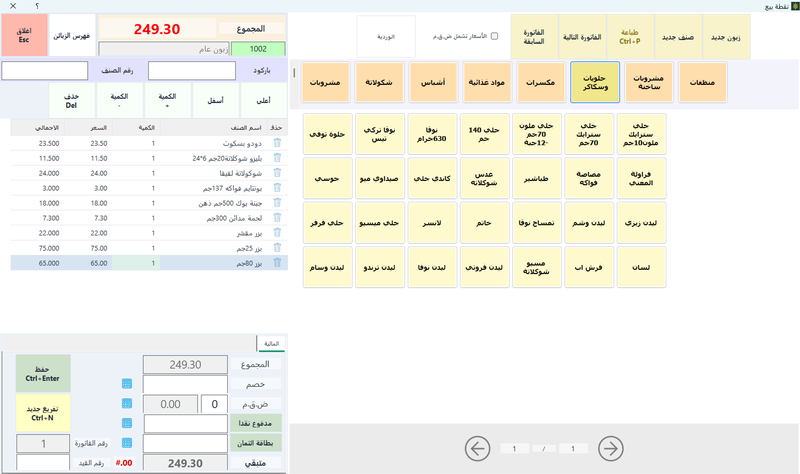
2. Review returns and cancellations
A cash refund takes money out of the drawer. If the money was refunded but the return was not recorded, you see a shortage. If a return was recorded but no money was refunded, you see an overage.
- Review the shift’s returns one by one, and who processed them.
- Check that the refund method in the return matches how the money was actually refunded.
The returns tutorial explains recording them in Sonbola.
3. Expenses paid from the drawer
Did the cashier pay the generator, a delivery worker or buy water for the shop from the drawer? That is a real expense, but without a payment voucher it appears as a shortage.
- Make it a rule: no money leaves the drawer without a payment voucher or signed slip.
- For frequent small expenses, keep a fixed petty-cash amount separate from the sales drawer.
See the expenses tutorial.
4. Opening float and withdrawals
If the shift started with a 200-shekel float that was not recorded as the drawer’s opening amount, closing will show an “overage” of that amount. If the owner took money mid-day without recording it, you see a “shortage”.
- Record the float when opening the shift.
- Record every withdrawal or deposit in the drawer as a separate transaction, even by the owner.
5. Training example: where did 120 shekels go?
| Item | Amount | Effect on the difference |
|---|---|---|
| Sale recorded as cash, paid by transfer | 70 | Explains 70 of the shortage |
| Generator expense paid from drawer without voucher | 50 | Explains 50 of the shortage |
| Remaining difference after correction | 0 | No real shortage |
In this example no money was missing; two transactions were recorded incorrectly. If a difference remains after all these checks, that is when to review permissions and cancellations.
6. Prevent differences before they happen
- Close every shift with a cash match; do not leave cash counts to the end of the week.
- Give each cashier their own login and permissions so every transaction is attributed. See users and permissions.
- Decide who can cancel, refund and discount rather than giving it to everyone.
- Record the difference as it is with a reason if known; do not edit sales to match the drawer.
In Sonbola: a barcode POS with multiple payment methods, cashier shift closing with cash matching, and permissions defining what each employee can do, depending on your edition.
Frequently asked questions
Does a cash difference always mean someone took money?
No. Many differences come from a wrongly recorded payment method, an unrecorded return or expense, or the opening float. Check these first.
How often should I match the drawer?
At the end of every shift. The longer between matches, the harder it is to find the cause.
Should I edit sales to match the cash?
No. Record the difference as it is, with its reason if known. Editing sales hides the problem rather than solving it.
Does Sonbola support shift closing?
Yes. It includes cashier shift closing, cash matching and user permissions; features vary by edition and plan.