Years of a debt book lost, soaked, burned, or left in a shop you can no longer reach. The first feeling is that all the money is gone. But a debt is a relationship between you and a customer; the book was only its record. Much of the information still exists elsewhere, and what matters is gathering it quickly and in order before it is forgotten.
1. Do not start by calling customers immediately
Calling a customer to ask “how much do you owe?” with no figure in hand puts you in a weak position. First gather every source you can, then make contact knowing the approximate amount.
2. Gather the remaining sources
- Phone photos: many people photograph book pages or send them to customers. Search your gallery and WhatsApp.
- WhatsApp and message threads: “put it on my account”, “I sent you 200”, photos of invoices and receipts.
- Bank and app notifications: every transfer from a customer is evidence of a payment.
- Post-dated cheques: cheque photos or the incoming cheque register.
- Supplier invoices: they do not show customer debts but help estimate sales volume in the period.
- Your memory and your staff’s: immediately list every customer you remember owing money, even without an amount.
3. Build a table for each customer
| Customer | Last known balance and date | Source | Payments since | Estimated balance |
|---|---|---|---|---|
| Customer A (example) | 1,800 on 1 September | Photo of book page | Transfer 500 | 1,300 + purchases after that date |
| Customer B (example) | Unknown | Staff memory | — | Needs agreement |
Group customers into three: balance confirmed by a document, approximate balance, and unknown balance. Start with the confirmed ones.
4. Agree the balance with the customer
- Be calm and clear: “The book was lost; my last photo shows your balance at about this amount. Does it match yours?”
- Ask what they have: many customers keep receipts or remember their last payment.
- If you disagree: settling on a middle figure may be better than losing both the relationship and the debt.
- Document the agreement: retain the customer confirmation and supporting records for review. This does not establish legal sufficiency or resolve a dispute; seek appropriate professional help where needed.
Note: do not press a customer for an amount you have no evidence for. The goal is an agreed starting point, not a new dispute.
5. Record the new balances as a starting point
After agreement, enter each balance as the customer’s opening balance on one clear date, and from that date record every new invoice and payment. The guide preparing opening balances explains this step.
6. Do not let it happen again
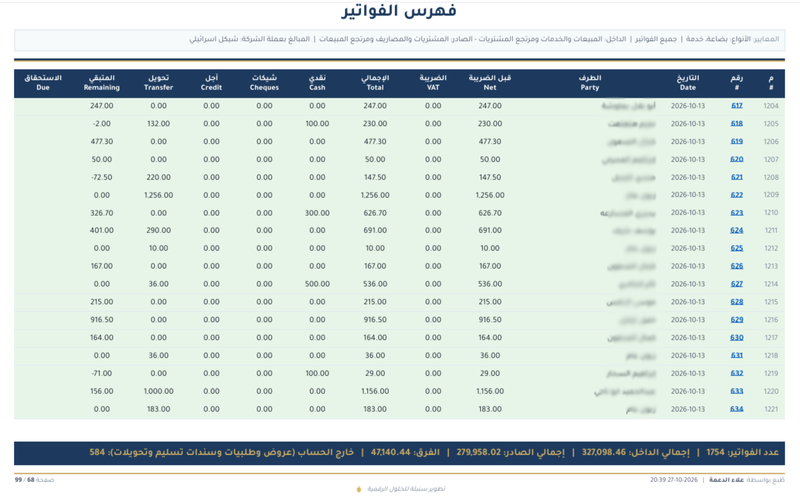
- Record debts in software, not a single book, with an account per customer.
- Keep a backup outside the shop: a USB drive with you, and Google Drive whenever the internet is available.
- Send customers their statement regularly: each statement they receive is an extra copy of their account.
- Print or save a PDF of customer balances every month.
In Sonbola: an account per customer with credit limit and term, a detailed statement sent via WhatsApp or SMS from inside the program, and backups on the computer, USB and Google Drive. See also tracking customer debts.
Frequently asked questions
I lost the debt book. Are the debts lost?
Not necessarily. A debt is an obligation between you and the customer, and many balances can be recovered from phone photos, chats, bank notifications and customer receipts.
Where do I start?
Gather every remaining source first, build a table per customer, then contact customers with confirmed balances before the others.
What if the customer and I disagree on the amount?
Show your evidence and hear theirs. Agreeing on a middle figure can be better than losing the debt and the relationship.
How do I prevent this from happening again?
Record debts in software, keep a backup outside the shop, and send customers their statement regularly.