A whole shelf of an item you bought in bulk because the price was tempting, six months later barely sold. Meanwhile another item runs out every week and you lack the cash to buy more. That is slow-moving stock: money stuck on the shelf instead of working in the shop.
1. How do you know an item is slow-moving?
No single number fits every shop. An item sitting a month in a greengrocer is slow; in a building materials store it may be normal. Start with three questions per item:
- When did you last sell it?
- How much did you sell in the last three months compared with current stock? If stock lasts a year at that rate, review it.
- What is it worth at cost? A cheap slow item is less urgent than one worth thousands.
2. What does slow stock cost you?
- Frozen cash: 5,000 shekels on the shelf could buy items that sell every week.
- Space: a shelf holding an unsold item cannot display one that sells.
- Damage and expiry: especially food, medicine and agricultural supplies.
- Ageing models: clothing, electronics and spare parts lose value over time.
3. Rank items: best sellers and least movement
Compare the best-selling items list with the stock balance. What shows a large value in stock but not in sales is your starting point.
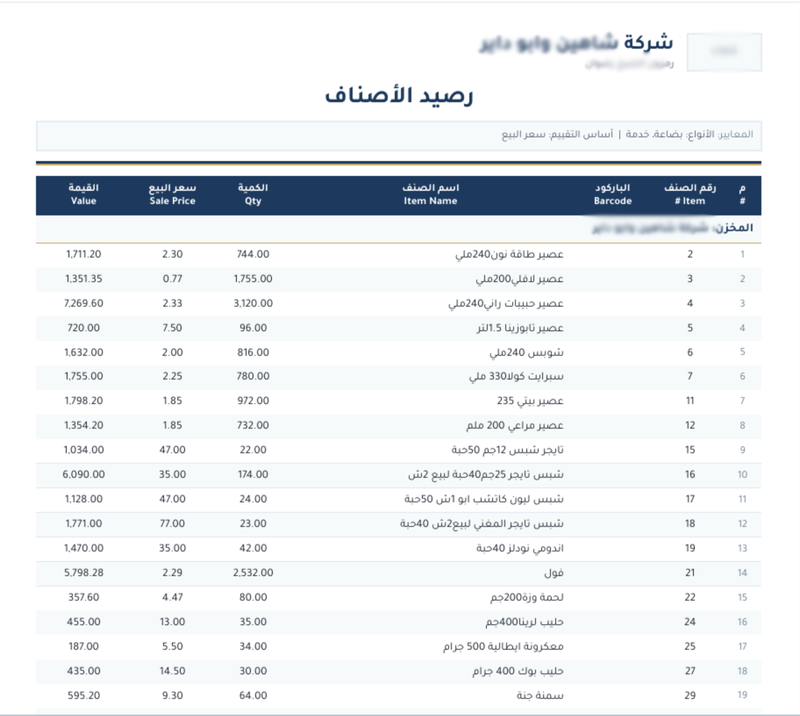
In Sonbola: the item balance report shows quantities, selling prices and stock value by warehouse; there is a best-selling items report with profit per item, and an alert for items nearing expiry, depending on your edition.
4. Practical steps to clear slow stock
- Move it to a visible spot near the till or entrance before any discount.
- Bundle it with a popular item instead of a straight discount.
- Offer it to wholesale customers or other shops near cost.
- Ask the supplier about return or exchange, especially before expiry.
- A calculated discount: work out the loss in shekels first. A small loss today may beat a full loss in months.
Before discounting, see how discounts affect margin.
5. Prevent it from happening again
- Buy based on actual sales, not just a tempting offer price.
- Set reorder levels for fast movers so cash goes to what sells.
- Count stock regularly; counts reveal slow and damaged items together. Start with the free stocktaking template.
- Review slow items monthly, not once a year.
Frequently asked questions
When is an item considered slow-moving?
It depends on the business. A practical indicator: if current stock lasts a year or more at the last three months’ sales rate, review it.
Should I sell slow stock at a loss?
Calculate the loss in shekels and compare it with the cost of keeping it: frozen cash, space and spoilage. Sometimes a small loss today is better.
How do I stop slow stock building up?
Buy on actual sales, set reorder levels, count regularly and review slow movers monthly.
Does Sonbola help with this?
Yes, with the item balance report by warehouse, best sellers and profit per item, and reorder and near-expiry alerts, depending on the edition.